GREEN
No action required
The house is as you left it. The report lands in your inbox with the photographs and you never have to open it.
The visit
The whole service rests on one idea: a home watch visit is only worth paying for if it is identical every time, written down and photographed. Here is the protocol in full, so you can judge it before you hire anyone.
01Sequence
01
The steward checks in at the property with a time stamp and a location. You can see when they got there and when they left, on every visit, forever.
02
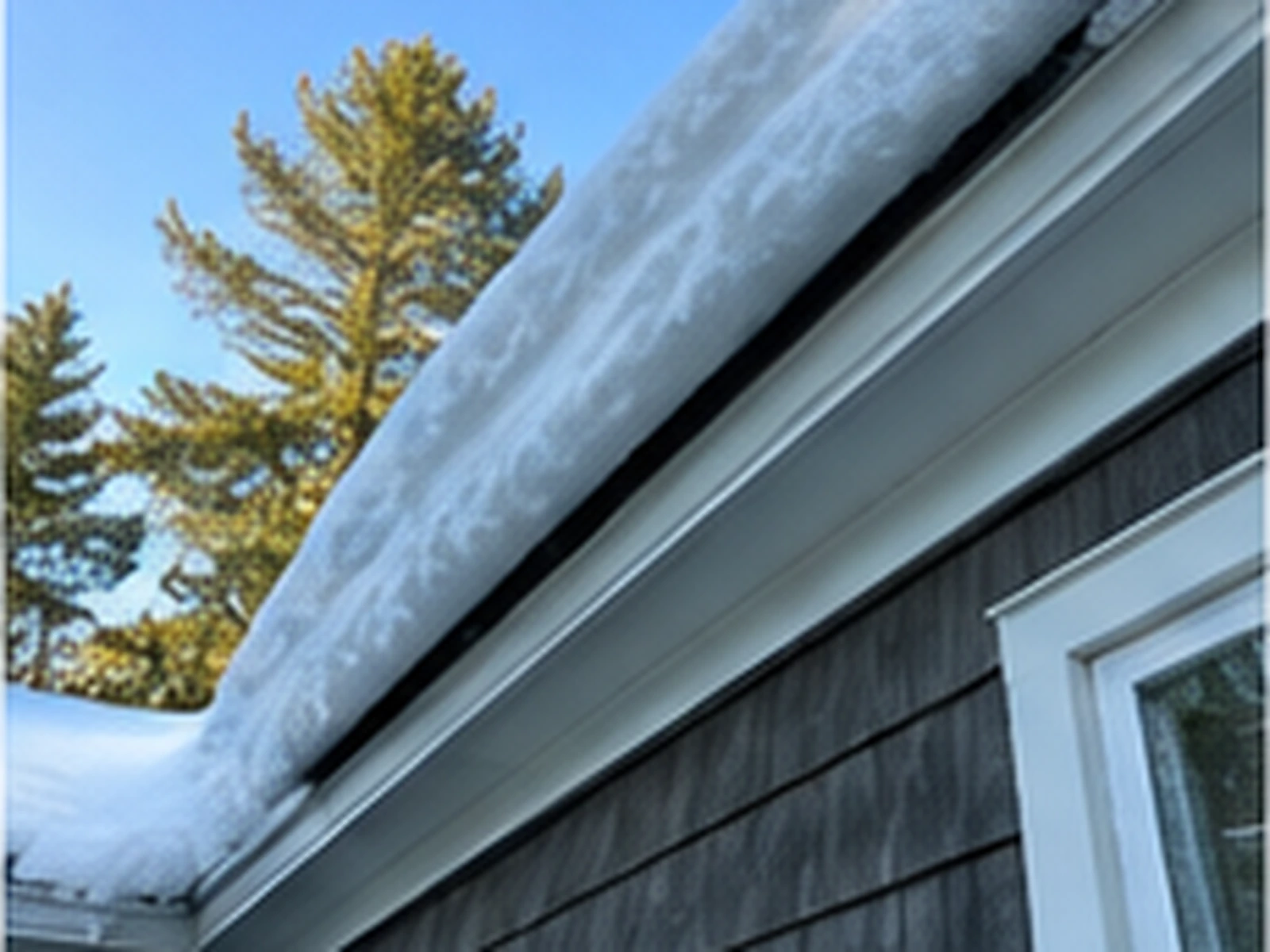
The exterior is walked before anyone opens a door, because most of what goes wrong announces itself outside: a limb down, a gutter running in the wrong place, ice where ice should not be, a track in the snow that is not ours.
03
The full 24-line protocol, worked top to bottom, identical every visit. Anything that is not right gets a note and a photograph attached to that specific line, not buried in a general summary.
04
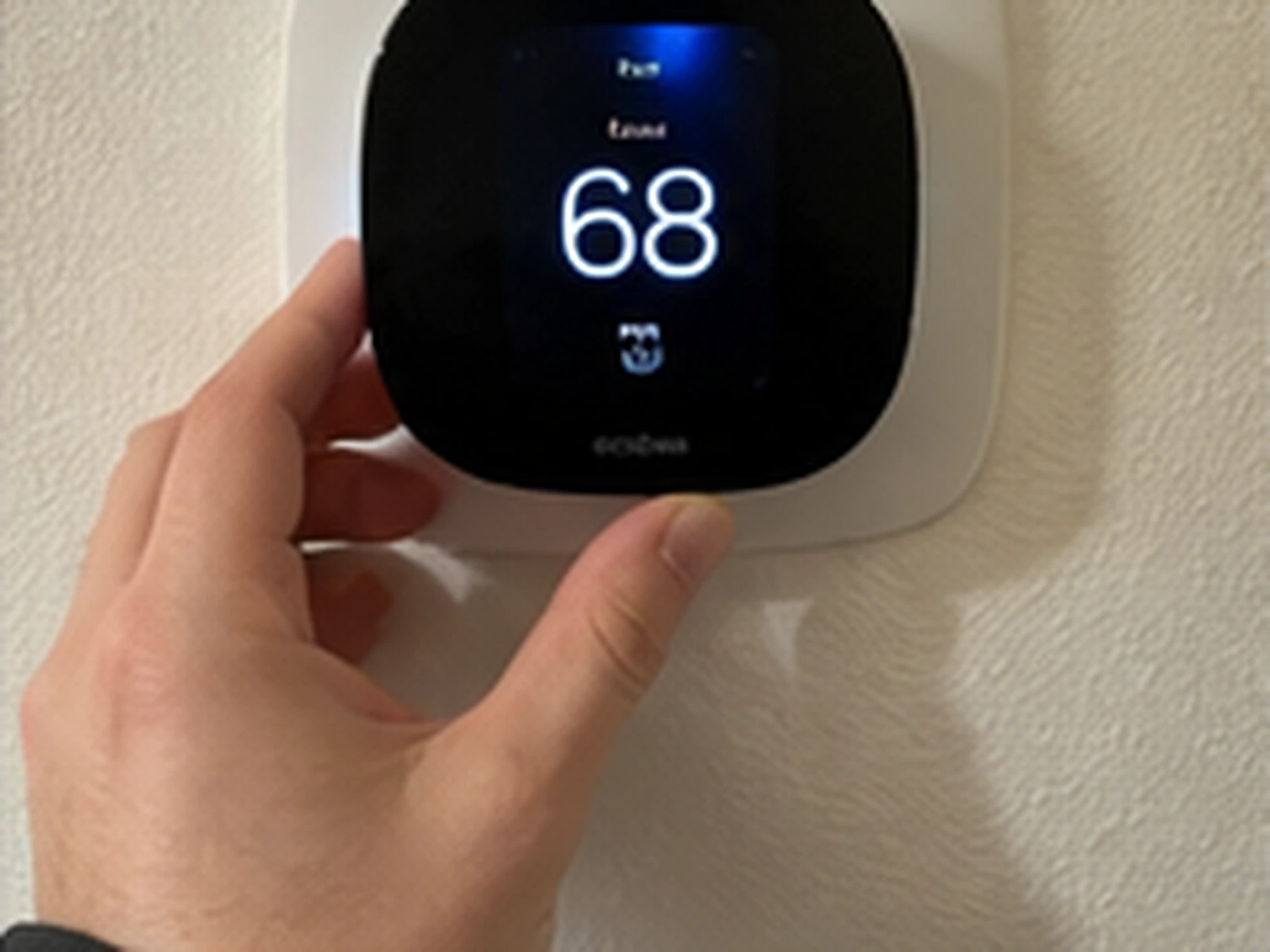
Interior temperature, humidity, power state, leak sensor status. Four numbers, recorded every visit, so a slow drift is visible long before it becomes a symptom.
05
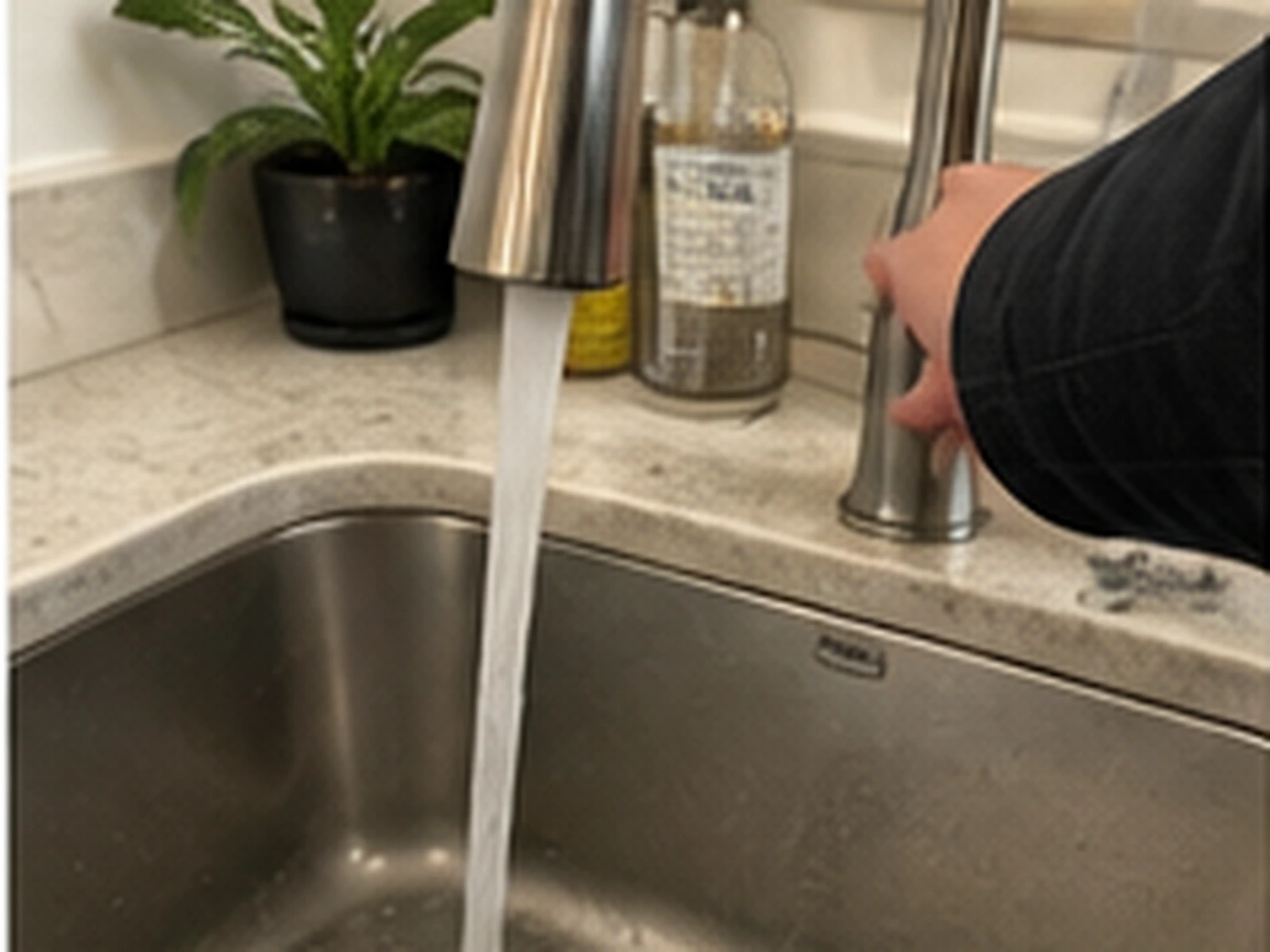
Thermostats returned to your setting, fixtures run and traps refilled, mail collected, alarm armed on departure and confirmed.
06
One of three words, a short written summary, and the full photographic record posted to your dashboard before the steward is home.
02The checklist
03The report
GREEN
No action required
The house is as you left it. The report lands in your inbox with the photographs and you never have to open it.
YELLOW
Owner attention recommended
We found something that is not urgent but should not wait for spring. You get photographs, our read on it, and a recommendation with a number attached.
RED
Immediate response initiated
We are already on it. You get a phone call, not an email, and the dashboard shows what we did and who is on the way.
04When it is red
05Questions
What owners ask once they have read the checklist. If yours is not here, ask it directly.
A home watch visit from Northway Home LLC follows a written 24-line checklist in the same order every time: the full exterior perimeter, every door and window, the basement and mechanical room for standing water, the water heater and sump area, ceilings and under-sink cabinets for staining, thermostats, the furnace or boiler, the electrical panel, and the refrigerator and freezer. Fixtures are run and traps refilled, interior temperature and humidity are recorded, mail is collected, and the alarm is re-armed on departure. Photographs are attached to the checklist lines and a report is posted to the owner dashboard the same day.
Four readings are recorded on every visit: interior temperature, interior humidity, power state and leak-sensor status. They are logged against the visit so a slow drift toward freezing, or a humidity climb that points at a leak, shows up as a trend on the dashboard rather than as a surprise in April.
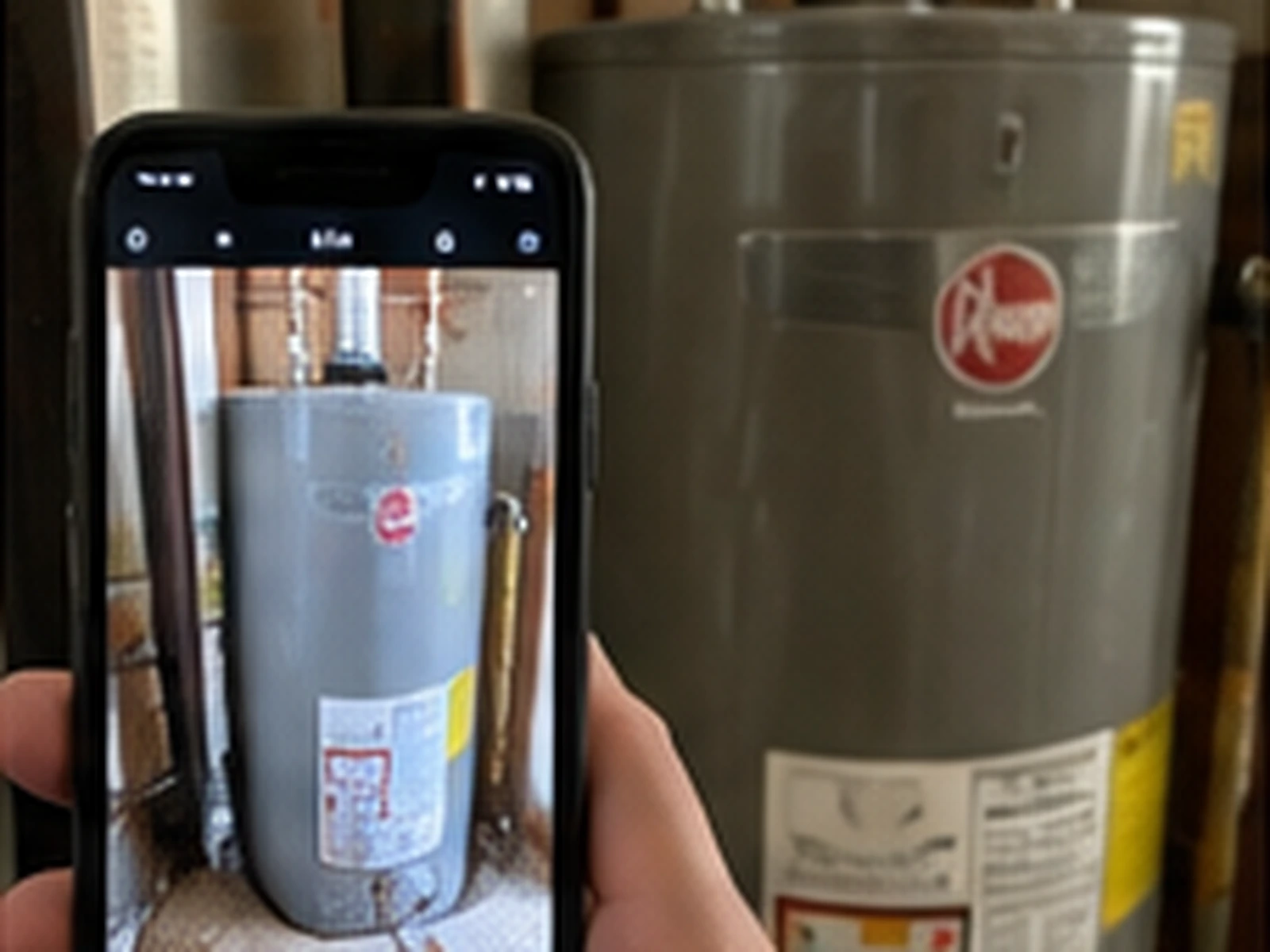
Fifteen to thirty photographs a visit, time-stamped and attached to the specific checklist line they belong to: the roofline from the ground, the thermostat reading, the water heater and the floor around it, the electrical panel, and anything that is not as it should be. They stay on the property record permanently, so this March can be compared with last March.
The steward stops the loss first, which means water off, power isolated, or a tarp on the roof, then telephones the owner from the house rather than sending an email. The finding becomes a tracked issue on the dashboard with photographs, a recommended vendor, an estimate and a timeline, and nothing beyond the emergency work is spent without the owner’s approval.
No. New York licenses compensated residential home inspectors, and we do not hold that license or offer that service. Home watch is caretaking: a visual property check, observation and documentation. We tell you what we saw and photograph it. We do not evaluate the condition of a system or certify that anything is safe. When something needs a professional opinion, we bring in a licensed one.
Every report opens with one of three words. GREEN means no action is required and the house is as you left it. YELLOW means owner attention is recommended: something was found that is not urgent but should not wait, with photographs and a recommendation with a number attached. RED means an immediate response was initiated and you have already had a phone call. The written summary and the full photographic record sit under that first line on the owner dashboard.
The sample property is fictional. The visits, the checklists, the storm response and the issue logs are exactly what yours would look like.